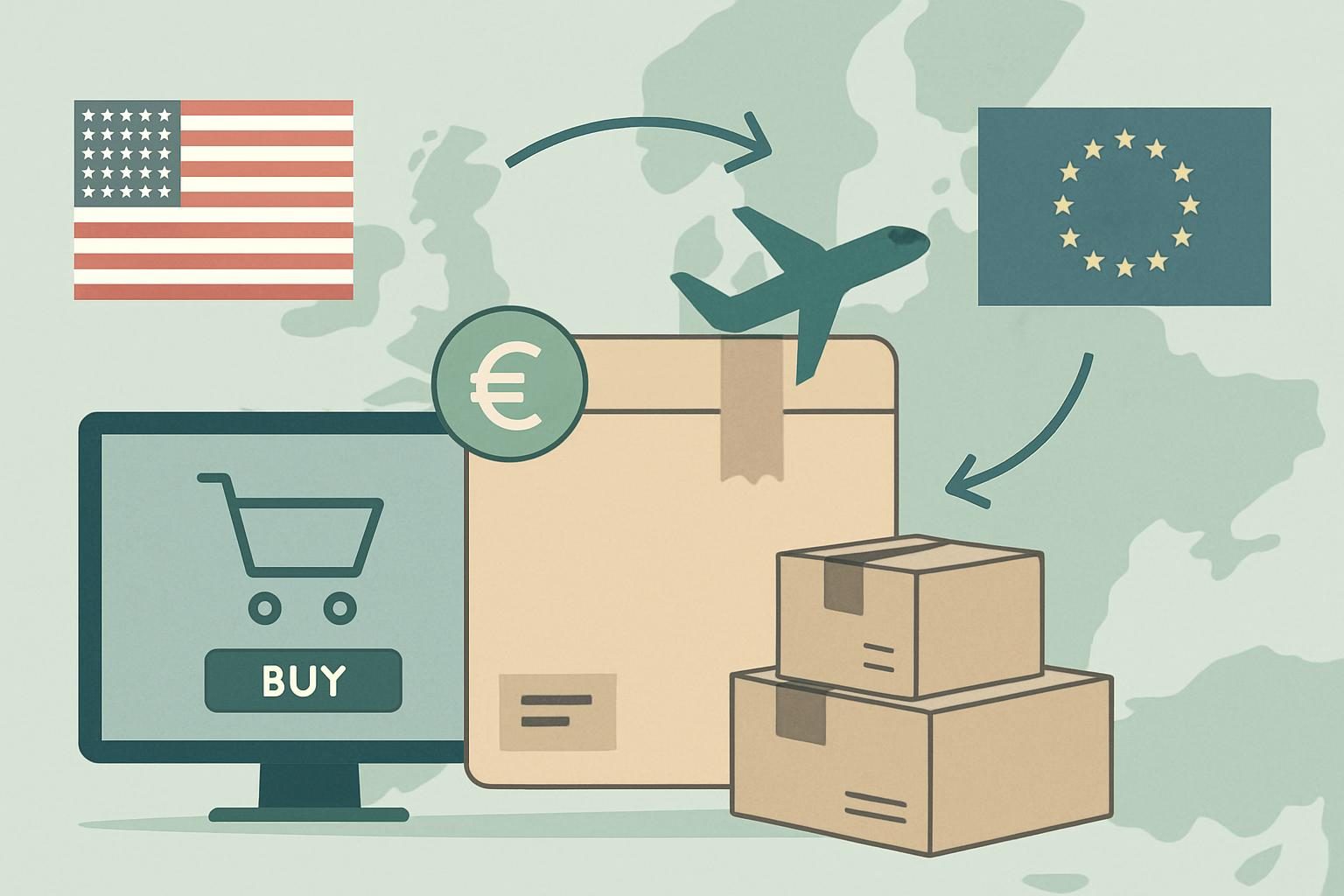
A New Flat Fee Landed on Every Small EU-Bound Parcel
Since July 1, 2026, every parcel valued under €150 that enters the European Union from outside the bloc has carried a new flat customs charge of €3 per product type, under a temporary measure the European Commission put in place this year. The fee replaces the old rule that let shipments worth less than €150 cross the border duty-free, an exemption the Commission says had been exploited by sellers who under-declared value or mislabeled goods to dodge duties and safety checks entirely.
The charge isn’t calculated per box, it’s calculated per tariff classification inside the box. Five identical T-shirts in one parcel trigger a single €3 charge. Three T-shirts and a watch trigger two, because they fall under different product categories. It’s a small number on paper, but multiplied across the huge volume of low-value parcels arriving in the EU each year, it adds up fast, and it applies to shipments from every non-EU country, not just the usual suspects.
Why This Is Really About Shein and Temu, But Hits Everyone
The policy was aimed squarely at the flood of ultra-cheap parcels from Chinese-founded platforms like Shein and Temu, whose pricing model leaned on shipping huge volumes of small, individually duty-free packages straight to consumers. Reporting on EU shopping-ad data suggests the effect has been real: Temu’s ad visibility in Europe has reportedly dropped sharply since the rule took hold, and Shein has pulled back parts of its EU operation rather than absorb the new costs and paperwork on thin margins.
But because the €3 charge applies to any non-EU parcel that would have qualified for the old exemption, not just goods from China, it also touches every European shopper who orders from a US retailer, a US-based marketplace seller, or a small US reseller business. A shipment forwarded from a US address is now just as subject to the fee as one ordered direct from an overseas marketplace.
What Actually Changes for Someone Shopping US Stores
For shoppers and resellers who already buy from established US retailers rather than ultra-low-cost marketplaces, the practical impact is smaller than the headlines suggest. You were likely already paying real prices for real goods, not relying on a duty-free loophole to make the math work. Still, a few things are worth planning around:
- The duty is charged per product classification, so an order mixing several different item types, say electronics, apparel, and cosmetics, will rack up more €3 charges than an order of similar items. Worth knowing if you’re timing a big purchase.
- Sellers and importers, not shoppers directly, are on the hook for declaring and remitting the duty, which means accurate paperwork matters more than ever. Parcels with vague or missing customs declarations are more likely to get flagged or held.
- This is a temporary bridge measure. The Commission has said it will run until the EU’s new Customs Data Hub for e-commerce comes online, expected around 2028, at which point real tariff rates by product category, not a flat €3, will apply. This isn’t the end state, it’s likely to get more complex, not less.
Where a US Forwarding Address Still Helps
None of this changes the core reason international shoppers use a US address in the first place: access to US-only retailers, US-only sales, and US pricing that often beats what’s available locally even after shipping. What it does change is how much accurate, well-documented shipments matter. This is where a forwarder like Viabox earns its keep, consolidating multiple US purchases into fewer international shipments and making sure customs paperwork is filled out properly, so packages move through the new EU checks without getting stuck or bounced back for a missing declaration.
If you’re shopping US stores and shipping to Europe, plan around the new math: budget for the €3-per-item-type charge on parcels under €150, keep invoices and declarations accurate, and consolidate separate orders into one shipment where you can. A forwarding address that handles the paperwork correctly is one less thing to worry about while the EU’s rules keep evolving.
Ready to put your US address to work? Log in to your Viabox dashboard to manage shipments and consolidate packages — or create your free US address in minutes.