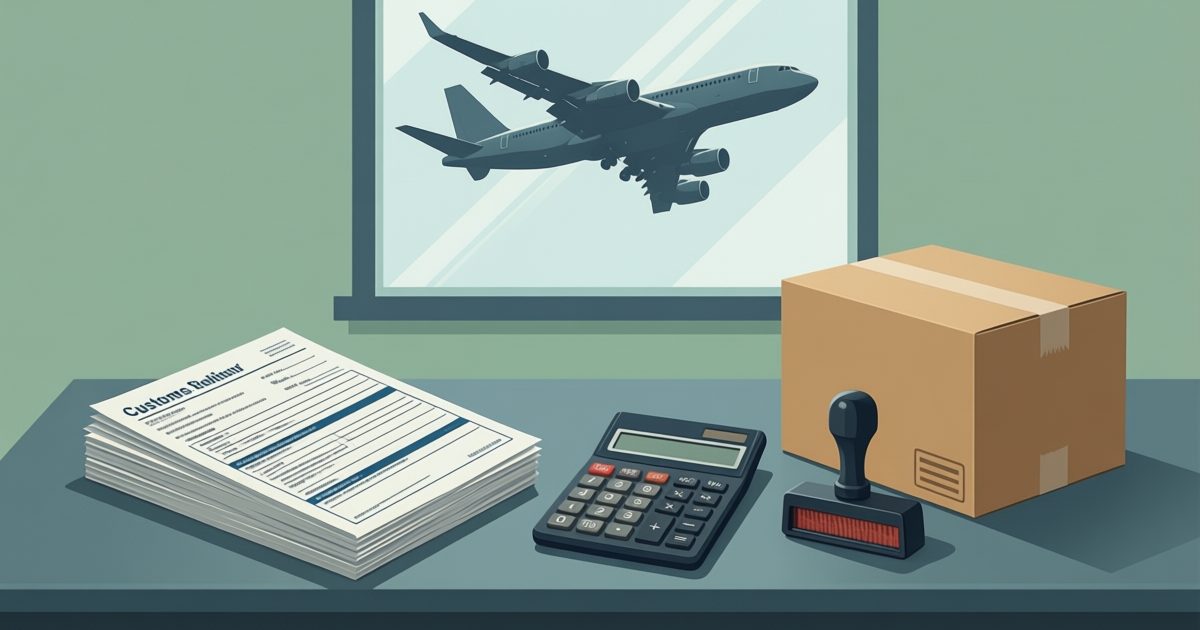
The Ruling in Plain Terms
On Thursday, the U.S. Court of International Trade certified a class of importers who paid tariffs under the International Emergency Economic Powers Act (IEEPA) between February 1, 2025, and February 19, 2026, according to Supply Chain Dive. The move opens a legal pathway for potentially thousands of businesses to claim refunds for duties that the Supreme Court later ruled illegal.
Here is the scale of what is at stake. CBP collected roughly $166 billion in IEEPA tariffs before the levies were struck down. Through its Consolidated Administration and Processing of Entries (CAPE) portal, CBP has already paid out more than $100 billion in refunds. But the court’s order is blunt: some importers have not gone through CAPE, and they are “overwhelmingly small importers” who, due to the cost or effort of filing a declaration, or simply because they are unaware of the program, may never collect what is owed to them. The court estimates that without a class-action mechanism, approximately $30 billion in IEEPA tariffs would remain with the government.
Why This Matters If You Shop US Stores and Ship Abroad
If your business buys product from US retailers or marketplaces and resells it in the Gulf, Mexico, Latin America, Europe, or Southeast Asia, the tariff chain touches your margin whether you realise it or not. IEEPA duties were levied on goods entering the United States. That cost was absorbed by the importer of record — the US company that cleared the shipment through CBP — and in many cases it was passed through to the selling price.
For a small reseller sourcing a few hundred units of consumer electronics, apparel, or home goods from US wholesalers, even a partial refund flowing back to the importer can mean a lower wholesale price, a restock at a better landed cost, or a margin recovery that was sitting in a spreadsheet somewhere. The court’s concern is specifically about the smaller end of the trade. If your operation has been importing into the US during that 13-month window, the class certification means you now have a structured route to claim your share without hiring your own customs lawyer and filing a standalone suit.
Even if you are a one-person buyer purchasing a single box from a US online store and forwarding it to your home country, the broader effect matters. As Supply Chain Dive notes, more than 4,000 separate tariff-refund lawsuits have already been filed. A class-action streamlines that process and puts pressure on CBP to accelerate liquidation and reliquidation of affected entries. For US retailers facing holiday-season inventory decisions, knowing that $30 billion in working capital may return to the system can influence pricing, restocking depth, and the aggressiveness of promotional windows you are already shopping.
What the Court Said About Small Importers
The order specifically calls out a practical barrier: many small importers find the CAPE filing process opaque or administratively heavy. The court’s language signals that it does not expect every one of those businesses to build a customs-compliance team to chase a refund. By certifying the class, the court is creating a collective mechanism so that a single legal process can trigger individual reimbursements.
That is the part worth paying attention to if you have been importing into the US at even a modest volume. You do not need to be a Fortune 500 importer. The class covers any importer of record who paid IEEPA duties in the relevant window and has not already filed a separate suit.
What Happens Next
The certification is a necessary step, not the final one. The court has scheduled a closed conference with the parties for October 13 and set an October 22 deadline for proposed scheduling on additional filings, per Supply Chain Dive. Several procedural hurdles remain before a sweeping refund directive is issued for all class members. CBP has also been gradually expanding what the CAPE portal can process, including launching the ability to issue refunds for finally liquidated entries this week, though so far only for a select group of importers who have filed individual lawsuits.
The practical takeaway for your buying calendar: the tariff-refund overhang is moving from a legal abstraction toward a cash-flow event for US importers. If you are timing Q4 sourcing decisions, consolidating orders before a forwarder shipment, or negotiating with a US supplier on net-30 terms, the expectation of returning capital may give you a slightly stronger position at the table.
A Practical Angle for Cross-Border Buyers
One of the quieter benefits of working through a package-forwarding service like Viabox is that the logistics layer — receiving at a US address, consolidating multiple orders, and shipping internationally under one tracking number — keeps your import and export paperwork clean and traceable. That clarity matters when you need to identify which entries you paid duties on and confirm your importer-of-record status. The simpler your chain of custody, the less friction there is if a refund process requires you to pull records.
As the class-action work proceeds and CBP processes the remaining entries, the small-importer segment that the court singled out will be the real test of whether the $30 billion actually reaches the businesses that paid it. Keep an eye on the CAPE portal and any notice from your customs broker. And if your next US order is part of a holiday-season build, make sure the paperwork trail is as tidy as the product itself — because the refund conversation is far from over.
Ready to put your US address to work? Log in to your Viabox dashboard to manage shipments and consolidate packages — or create your free US address in minutes.