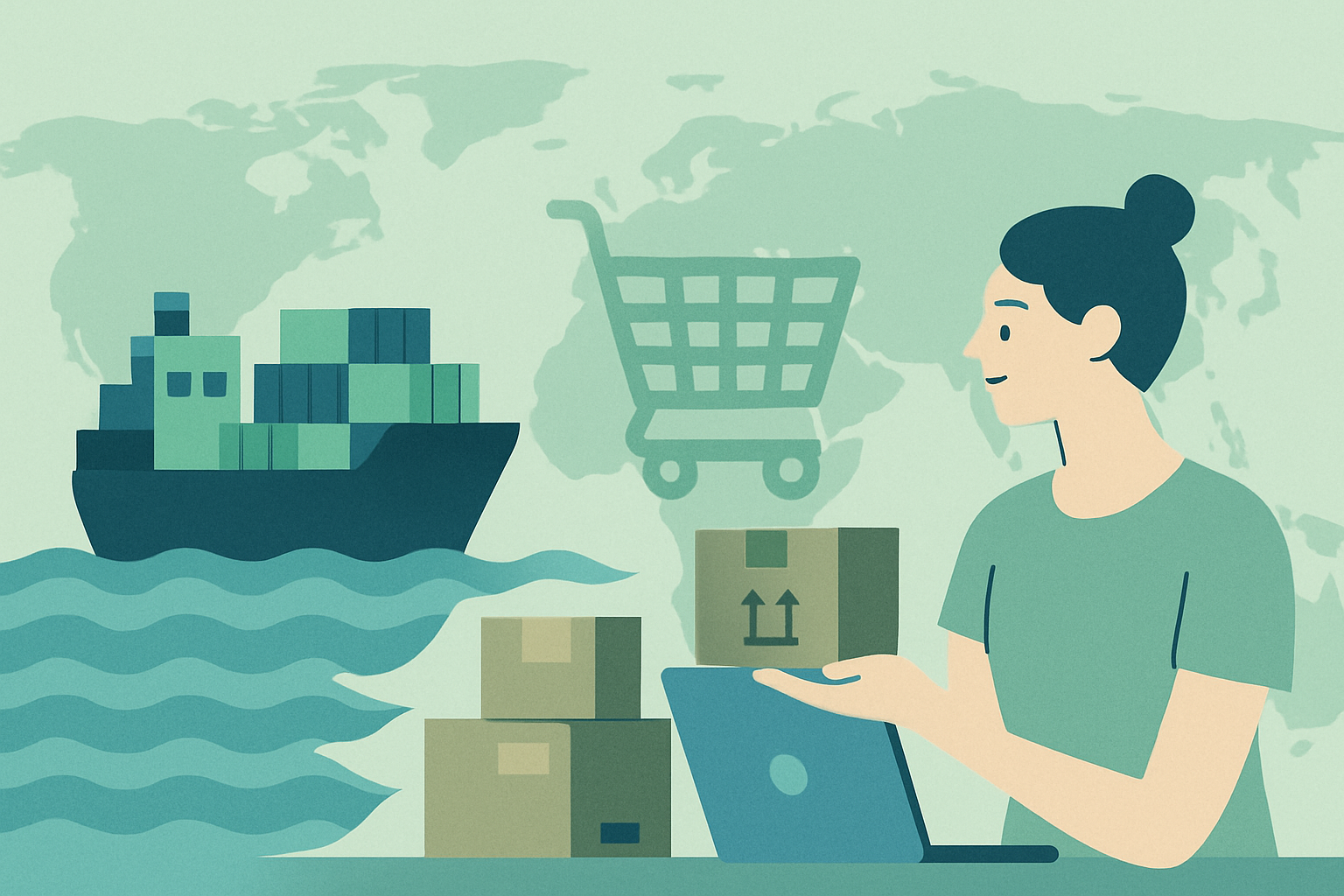
If you’ve recently ordered from a US retailer and noticed higher prices or longer lead times, you’re not imagining things. A cascade of trade policy events that began in May 2026 has sent global shipping rates sharply higher — and the effects are already rippling through to everyday international shoppers.
The Tariff Truce That Set Off a Shipping Frenzy
On May 14, 2026, the United States and China agreed to a 90-day trade truce following talks in Geneva. Under the terms, the US reduced tariffs on most Chinese goods from over 100% down to 30%, while China cut its tariffs on US imports to 10%. It looked like breathing room — but instead of calming markets, the announcement triggered one of the biggest import rushes in recent memory.
US importers, acutely aware the window could close again in 90 days, scrambled to front-load as much inventory as possible before the tariffs could reset. Factories accelerated production. Freight bookings surged. The dynamic looked remarkably similar to the cargo crunch that followed COVID-19 lockdowns: too much cargo chasing too little capacity.
Ocean Freight Rates Have Doubled Since March
The result in the freight market has been dramatic. Ocean freight rates have roughly doubled since March 2026 as carriers simultaneously tightened capacity and pushed through successive General Rate Increases. Logistics analysts tracking the transpacific market report that all-in rates from China to US East Coast ports are targeting around $7,000 per standard 40-foot container for June shipments. South America-bound routes are facing stacked GRIs pushing above $4,000. Rates are expected to remain elevated through July and beyond as peak shipping season begins to build.
This is primarily a story about commercial freight — the large container shipments that stock warehouse shelves across the US. But it carries real downstream consequences for anyone who shops US stores and ships internationally.
How Rising Freight Costs Reach Your Shopping Cart
US retailers who import goods from China — apparel, electronics, homewares, beauty products — are absorbing significantly higher landed costs right now. With ocean rates elevated and a 30% tariff still in place even under the truce, many brands have already started raising prices or quietly narrowing margins. If you shop US retailers for personal use or small-scale resale, expect to see this cost pressure reflected in product pricing over the coming months. Buying earlier in the cycle, before those adjustments fully filter through, can lock in better prices.
For international shoppers who use sea freight to forward large or heavy consolidated shipments from the US, the impact is more direct. Sea freight remains substantially cheaper than air for heavy cargo — but the cost advantage has narrowed, and early booking is now meaningfully more important than it was at the start of 2026.
Air Freight Is Holding Steady — For Now
The better news for most international online shoppers: air freight rates have remained relatively stable through this period, tracking normal seasonal patterns. The capacity surge has been concentrated in ocean shipping, so express and economy air parcel services have not yet seen the same volatility. For the typical Viabox customer shipping a few kilograms of clothing, gadgets, or specialty goods from the US, current air parcel costs remain predictable.
That said, if the front-loading frenzy continues straining logistics networks into peak season — which historically builds from August — air rates could follow. Planning consolidations ahead of that window is a practical hedge.
What Smart International Shoppers Should Do Right Now
A few practical moves can reduce your exposure in this rate environment:
- Consolidate before shipping. Combining multiple US store orders into one outbound shipment spreads fixed costs — carrier minimums, customs handling, packaging — across more items. The higher the base rate, the more consolidation saves you per item.
- Don’t wait out large sea-freight orders. Rates are unlikely to drop quickly in the near term. Holding off hoping for a discount may end up costing more than shipping now.
- Budget for total landed cost. With both destination-country duties and elevated freight rates in play, the full cost of an imported order can shift quickly. Build in a buffer, especially for resale purchases where margins are tighter.
- Watch for retail price creep. US brand prices will likely edge up as import cost pressures filter through supply chains. Acting before those increases fully land can meaningfully improve your purchase economics.
Consolidation is the sharpest tool available when per-shipment costs are high. Pooling several US purchases at a single American address — and combining them into one outbound parcel — means the elevated rate is paid once, not once per box. Viabox provides exactly that: a free US address in Portland, OR, consolidation on request, and no monthly fees, so you only pay when you ship.
Looking Ahead to Mid-August
The 90-day tariff truce expires around mid-August 2026. Whether freight rates normalize, hold steady, or spike again will depend on those renegotiations and on how much inventory importers manage to front-load in the meantime. Analysts remain divided on the outcome. The one near-certainty is continued volatility — prices, rates, and trade rules are all moving faster than usual this year.
For international shoppers, the practical takeaway is straightforward: understand your total cost before you buy, consolidate whenever possible, and stay ahead of seasonal rate pressure rather than reacting to it after the fact.