FedEx Breaks Ground on an 8x-Bigger Cargo Hub in Delhi
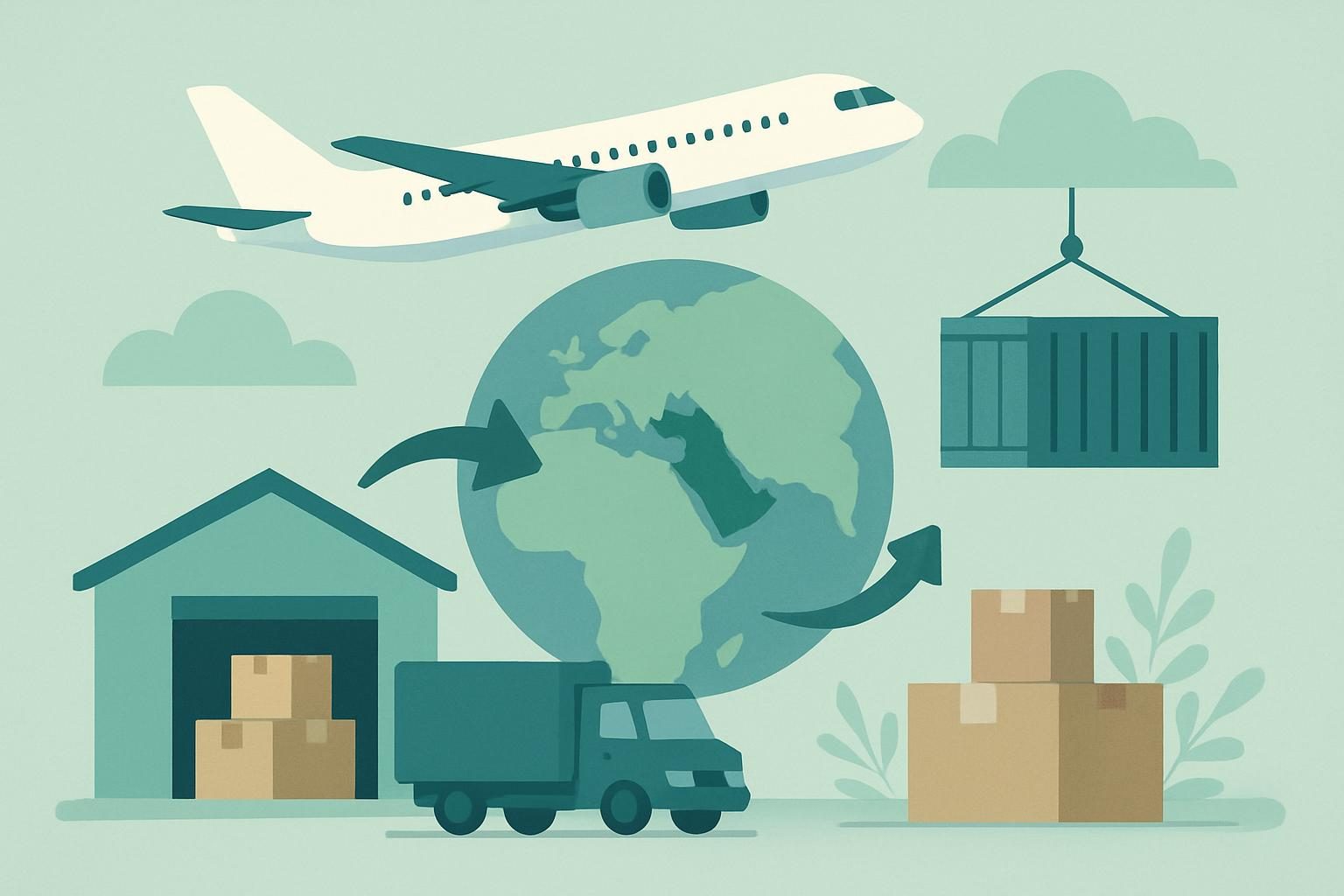
On August 25, 2026, FedEx broke ground on a new $150 million air cargo hub at GMR Cargo City, inside Delhi’s Indira Gandhi International Airport (IGI) — India’s busiest airport. The 230,000-square-foot facility will combine FedEx’s international gateway operations and local pickup-and-delivery under one roof, and once it’s running, it’s designed to process 5,000 packages an hour, up from the roughly 600 an hour the current setup handles. India’s Civil Aviation Minister attended the groundbreaking ceremony, underscoring how much weight the government is putting behind the country’s air cargo ambitions.
The Delhi hub is one piece of a roughly $400 million investment FedEx is making across India, alongside gateways in Bengaluru (serving the south) and Navi Mumbai (serving the west). Construction is expected to take 12 to 18 months, so the upgraded hub likely won’t be fully operational until late 2027 or 2028. FedEx has framed the project around India’s own target of handling 10 million tonnes of air cargo annually by 2030 — a goal that assumes cross-border trade, including consumer e-commerce, keeps climbing.
Why a Carrier Is Betting $150 Million on India Right Now
Carriers don’t build automated sortation hubs on a bet that demand will flatten. FedEx’s investment is a signal that it expects sustained growth in package volume moving in and out of India — and a meaningful share of that volume is driven by Indian consumers and small resellers buying from US retailers that don’t ship, or don’t ship affordably, straight to Indian addresses.
That demand has been building for years: American electronics, cosmetics, supplements, and fashion brands routinely sell in the US at prices or in product lines that aren’t available through Indian retailers, and resellers have built businesses around sourcing them. The bottleneck hasn’t just been demand — it’s been throughput. A facility running at 600 packages an hour during high-volume stretches, like the US holiday season or Indian festivals such as Diwali, creates exactly the kind of backlog that turns a five-day delivery into a two-week one.
What This Actually Changes for You, and What It Doesn’t
If you’re buying from US stores and shipping to India, here’s the honest read:
- It won’t speed anything up today. The hub is 12-18 months from opening, so this quarter’s shipments move through the same infrastructure as last quarter’s.
- It’s a signal, not a fix, for customs. A faster sorting hub in Delhi has no effect on India’s import duty rules or how customs assesses each individual parcel — that part of the process is unchanged.
- It does suggest capacity keeps growing, not shrinking. With FedEx expanding rather than pulling back, and competitors watching, the medium-term trend favors more reliable — and eventually cheaper — shipping lanes into India, not fewer.
The Piece Carriers Can’t Fix: How Many Parcels You Send
Even with more sorting capacity upstream, India’s customs process still treats each incoming parcel as its own event — its own paperwork, its own duty assessment, its own carrier handling fee. Buy five items from five different US stores and ship them separately, and you pay for five clearances instead of one. This is where shipping strategy matters as much as a carrier’s infrastructure: consolidating multiple US purchases into a single shipment before it ever crosses the border cuts the number of times customs touches your order, which is usually a bigger lever on landed cost than which hub the package happens to route through.
This is the exact gap Viabox is built to close. You get a real US shipping address, order from any US store, and Viabox holds your packages until you’re ready — combining them into one consolidated shipment before it heads to India, rather than sending each purchase through customs on its own. As carriers like FedEx keep investing in faster infrastructure on the receiving end, pairing that with smarter consolidation on the sending end is how the savings actually show up in what you pay.
The Bottom Line
FedEx’s Delhi hub won’t change your shipping costs this month, but it’s a useful data point: the major carriers are still building for a bigger cross-border e-commerce market into India, not a smaller one. For shoppers and resellers relying on US retailers, that’s a reason for cautious optimism about reliability over the next couple of years — and a reminder that how you ship matters just as much as how fast the hub sorts.
Ready to put your US address to work? Log in to your Viabox dashboard to manage shipments and consolidate packages — or create your free US address in minutes.