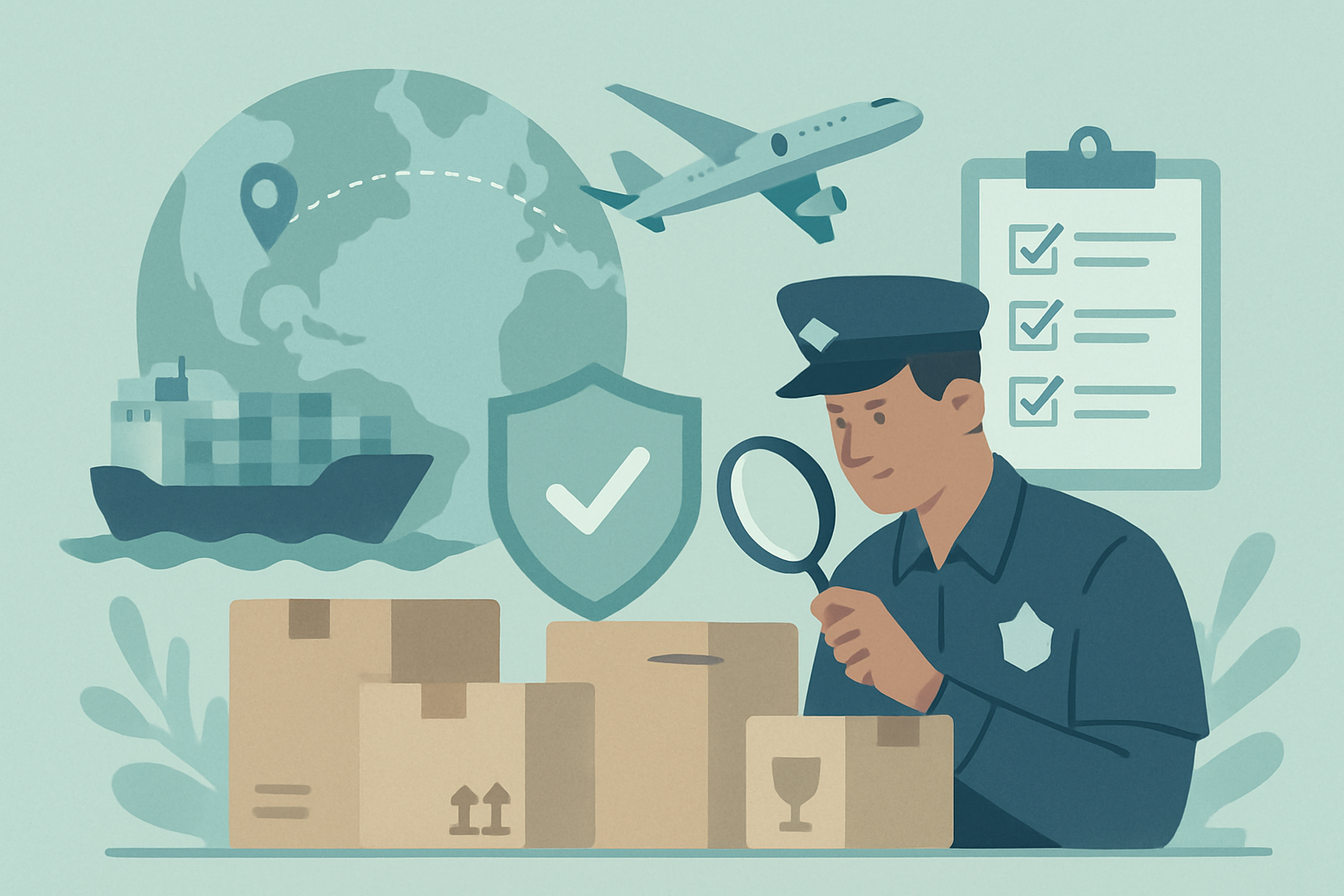
A New Checkpoint at the US Border
Starting July 8, 2026, the US Consumer Product Safety Commission (CPSC) began requiring importers to electronically file safety certificate data directly into Customs and Border Protection’s entry system at the moment a shipment arrives, not afterward. Previously, importers just had to keep a Children’s Product Certificate (for kids’ items) or a General Certificate of Conformity (for general consumer goods) on file and produce it if CPSC asked. Now that data — which safety rule the product was certified against, where and when it was manufactured, and where and when it was last tested — has to be transmitted electronically before the goods can clear.
Why the Rule Exists
The change closes a gap that had become obvious as low-value parcel volume exploded: a certificate sitting in a file cabinet does nothing to stop an unsafe or uncertified product from reaching a warehouse shelf. Notably, there’s no small-shipment exemption written into the rule — every regulated consumer product needs an eFiled certificate at entry regardless of declared value. CPSC says it won’t start rejecting entries outright yet, sticking to warning notices for now, but non-compliant shipments will affect an importer’s risk score with CBP, which tends to mean more inspections and delays down the line. It’s part of a broader pattern this summer of US and EU customs agencies moving away from lightly-scrutinized low-value shipments toward requiring more upfront data on everything that crosses a border.
What It Means If You Shop US Stores From Abroad
This rule falls on the importer of record — the businesses stocking Amazon, Walmart, Target, and Best Buy shelves — not on individual shoppers or resellers buying from those stores. If you’re purchasing a product that’s already sitting in US retail inventory, you’re not filing anything. But it does mean the toys, kids’ gear, electronics, and beauty gadgets sold by mainstream US retailers now carry a more rigorously enforced, harder-to-fake compliance trail than before. For resellers who move volume in these categories into markets in the Gulf, Latin America, or Southeast Asia, that matters: customers increasingly ask whether a product is the real, certified item or something that slipped in through a less-scrutinized channel.
The Case for Buying Where the Goods Already Cleared
Some resellers try to cut out the US retail step entirely — ordering directly from an overseas factory or marketplace listing and having it shipped straight to their home country. That route now runs into exactly the kind of friction this rule (and this summer’s broader de minimis crackdowns in the US and EU) is designed to create: more customs data requirements, more scrutiny, and no established safety paper trail behind the product. Buying from a US retailer sidesteps that entirely, because the compliance burden already sits with the manufacturer and importer before the item is ever available for sale.
This is the practical case for the Viabox model: you get a real US shipping address, you buy from whichever US retailer actually carries the product you want, and Viabox receives it, consolidates it if you’re ordering from more than one store, and forwards it to your door. The goods have already cleared US entry and certification requirements before they reach our Portland, Oregon warehouse — you’re not the one filing paperwork with CBP.
Bottom Line
US customs enforcement on consumer products just got measurably stricter, and it’s aimed at importers, not shoppers. If anything, it’s a reminder that routing purchases through established US retailers — and a forwarding address to get them home — is the simpler, safer path as customs rules tighten globally. If you haven’t set up a Viabox address yet, now’s a reasonable time to do it.
Ready to put your US address to work? Log in to your Viabox dashboard to manage shipments and consolidate packages — or create your free US address in minutes.